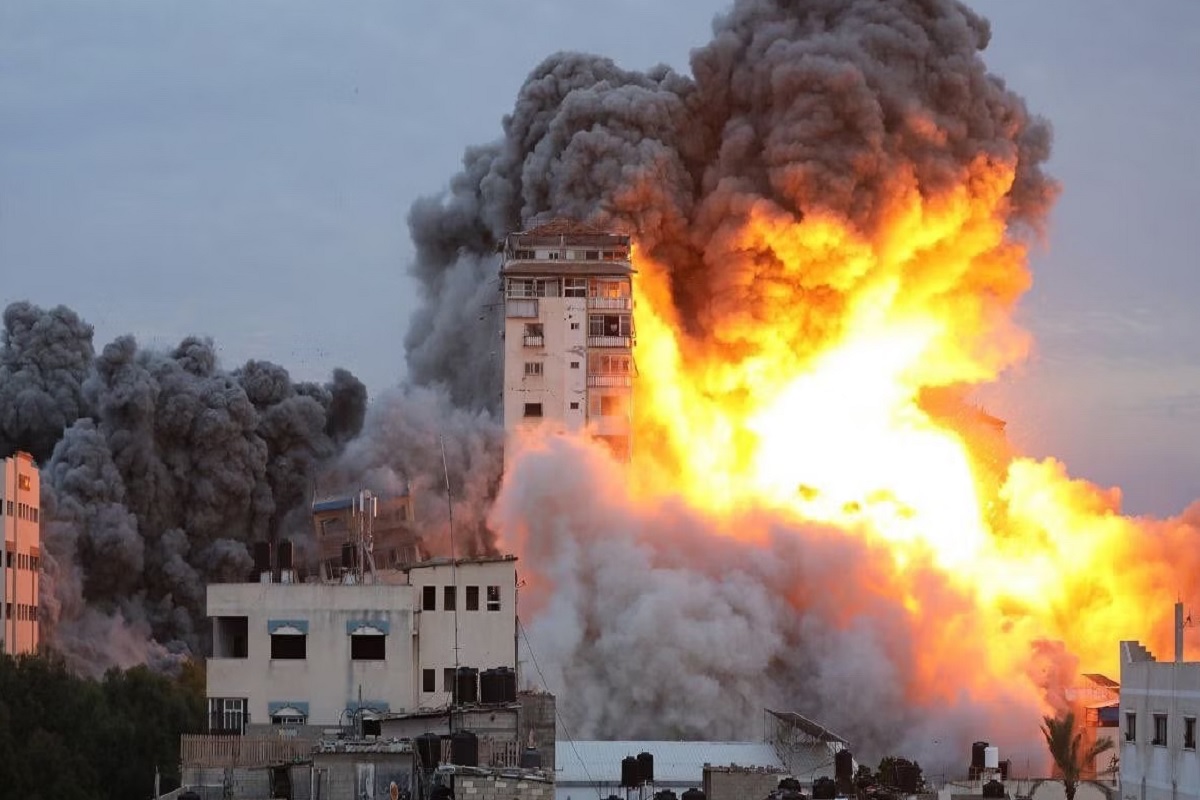
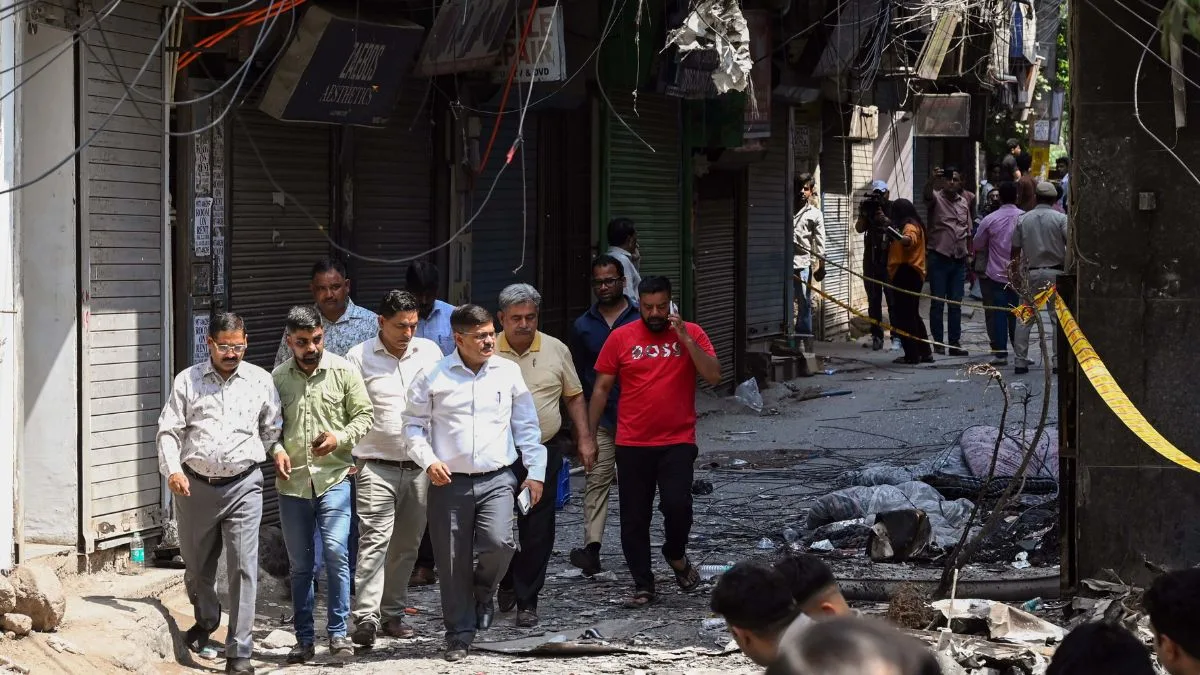
The recent US air strikes in north-western Nigeria signal more than a tactical military action against jihadist groups; they reveal how global counter-terrorism has become entangled with political messaging. Announced by US President Donald Trump as a decisive blow against the Islamic State, the operation was presented in stark moral terms, framed as a response to the killing of innocent Christians.
Yet the reality on the ground in Nigeria is far more complex than suggested by such rhetoric. Nigeria’s security crisis has never been a single-story conflict. Jihadist groups have undoubtedly inflicted horrific violence, but they operate within a broader ecosystem of instability that includes criminal banditry, local militias, and long-running disputes over land and resources. Victims come from every religious and ethnic background. By emphasising one community’s suffering over others, external narratives risk distorting both the causes of violence and the nature of its victims.
Advertisement
This matters because counter-terrorism is not only about firepower; it is also about legitimacy. Nigerian authorities were quick to stress that the strikes were a joint operation, planned with local intelligence and aimed at terrorists rather than a particular religious group. That insistence reflects a deep sensitivity within Nigeria about sovereignty and social cohesion. Any suggestion that foreign powers are intervening to defend one faith against another risks inflaming tensions that militants are eager to exploit. From Washington’s perspective, the strikes demonstrate a willingness to project force against Islamic State affiliates beyond West Asia, reinforcing the idea of a global battlefield. They also fit neatly into a political narrative that casts the US as a defender of persecuted Christians worldwide.
But such framing, while resonant with certain domestic audiences, can be counterproductive abroad. In Nigeria, where communities have coexisted uneasily across religious lines for decades, simplification can harden identities and undermine local efforts at reconciliation. There is also a strategic question. Air strikes can disrupt militant operations and eliminate key figures, but they rarely deliver lasting security on their own. Nigeria’s insurgencies have endured for years precisely because they feed on poverty, weak governance, and the absence of credible state authority in vast rural areas. Without parallel investments in policing, justice, and economic opportunity, military victories remain fleeting. The episode ultimately highlights a familiar dilemma in international security cooperation.
External partners can provide intelligence, technology, and firepower, but they cannot substitute for domestic political solutions. Nigeria’s leaders understand this, which is why they have been careful to welcome assistance while reasserting control over the narrative and objectives of the fight. If the US strikes are to have meaning beyond their immediate military impact, they must be seen as part of a quieter, longer process ~ one that prioritises accuracy over rhetoric and partnership over symbolism. Otherwise, the danger is that a complex national tragedy will be reduced to a slogan, satisfying political needs abroad while leaving the roots of violence at home largely untouched.